1. INFO
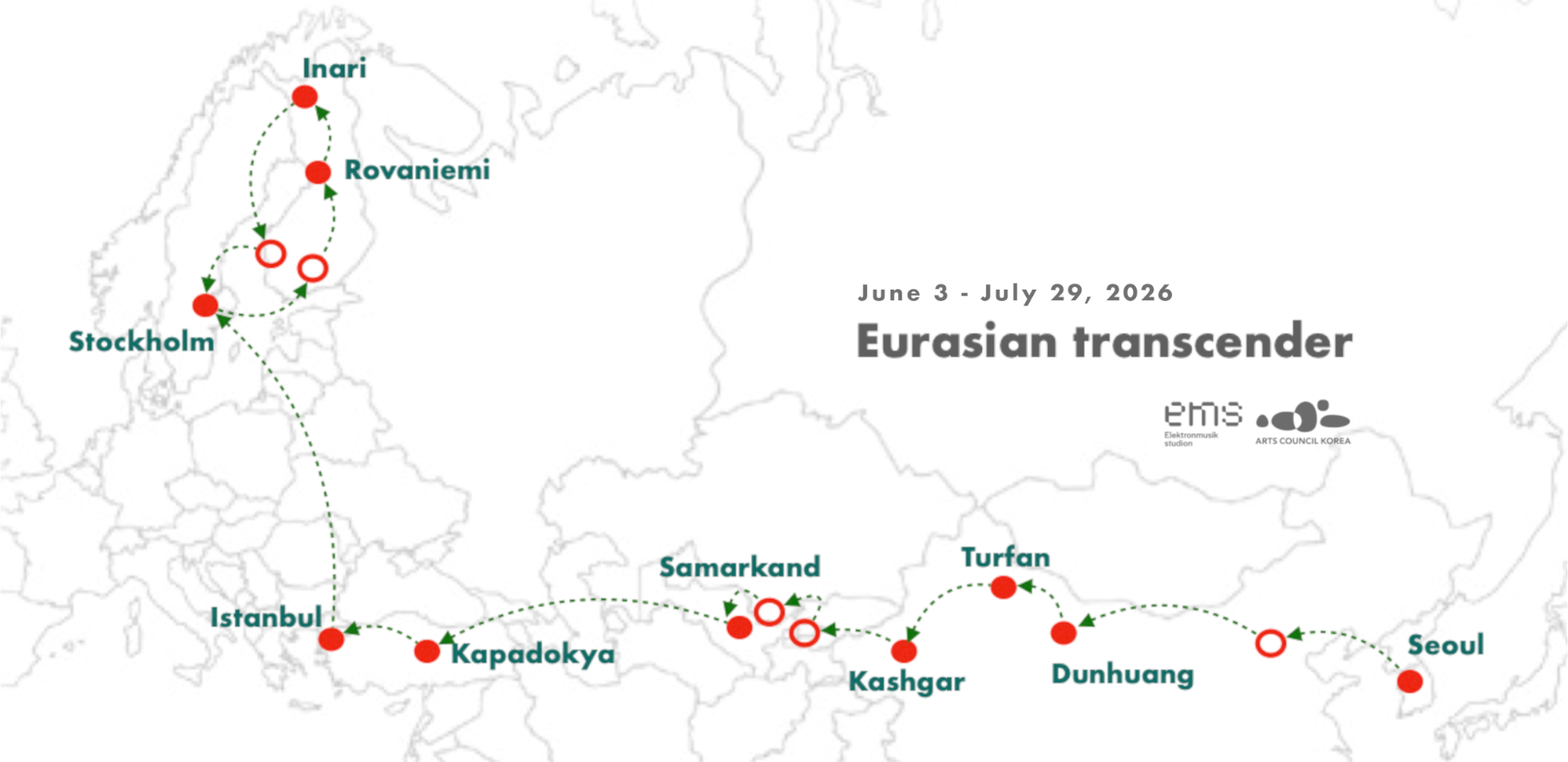
– Eurasian Transcender (soundscape composition, archival document, 6/3 ~ 7/29, 2026)
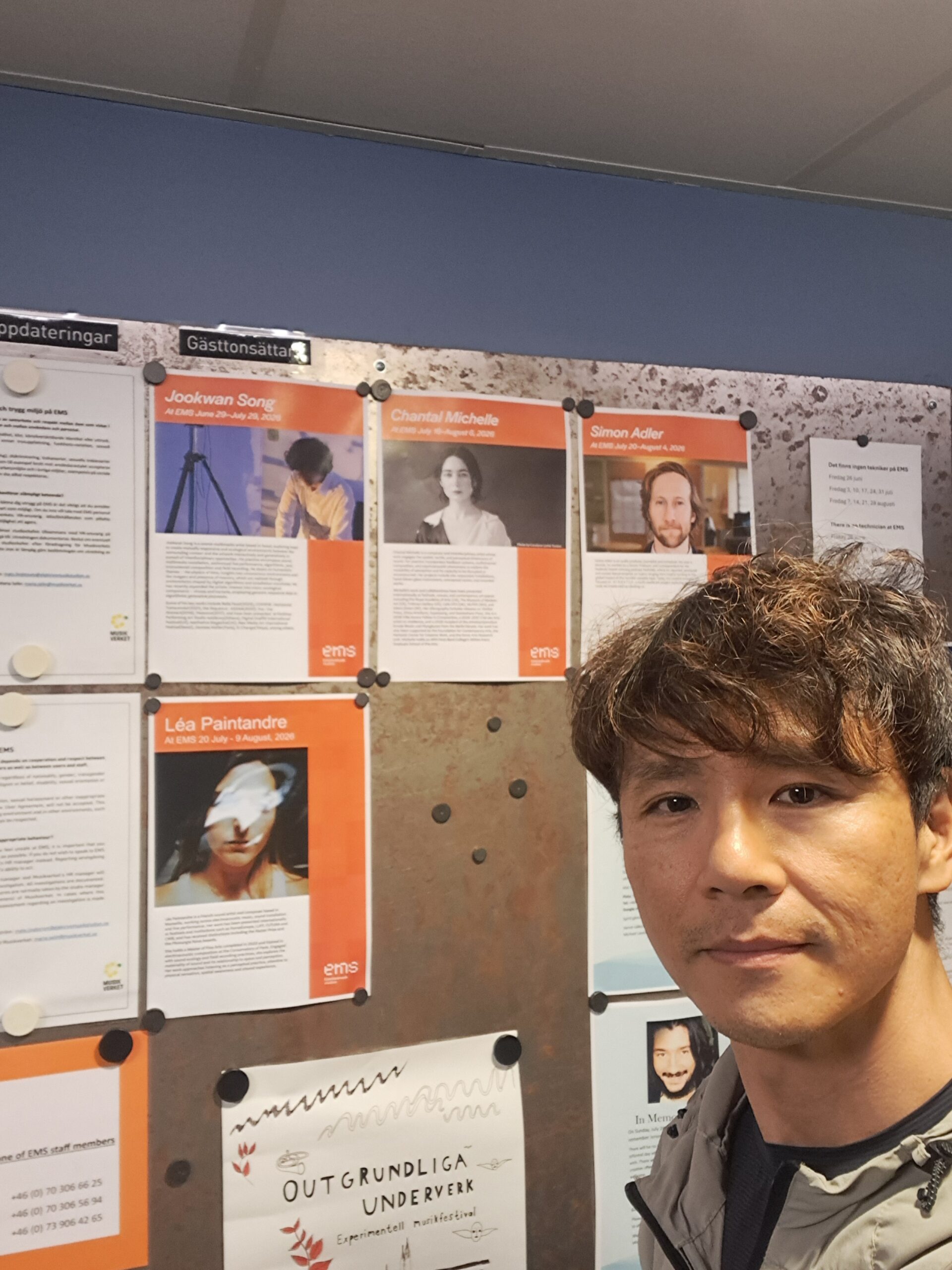
– selected for residence program by ARKO, EMS(elektronikmusikstudion) in Stockholm
(introduction posting URL : https://elektronmusikstudion.se/en/guest-composers/guest-composers-2026/jookwan-song/)
– field recording archive URL : https://eurasiantranscender.tistory.com
– soundscape compostion
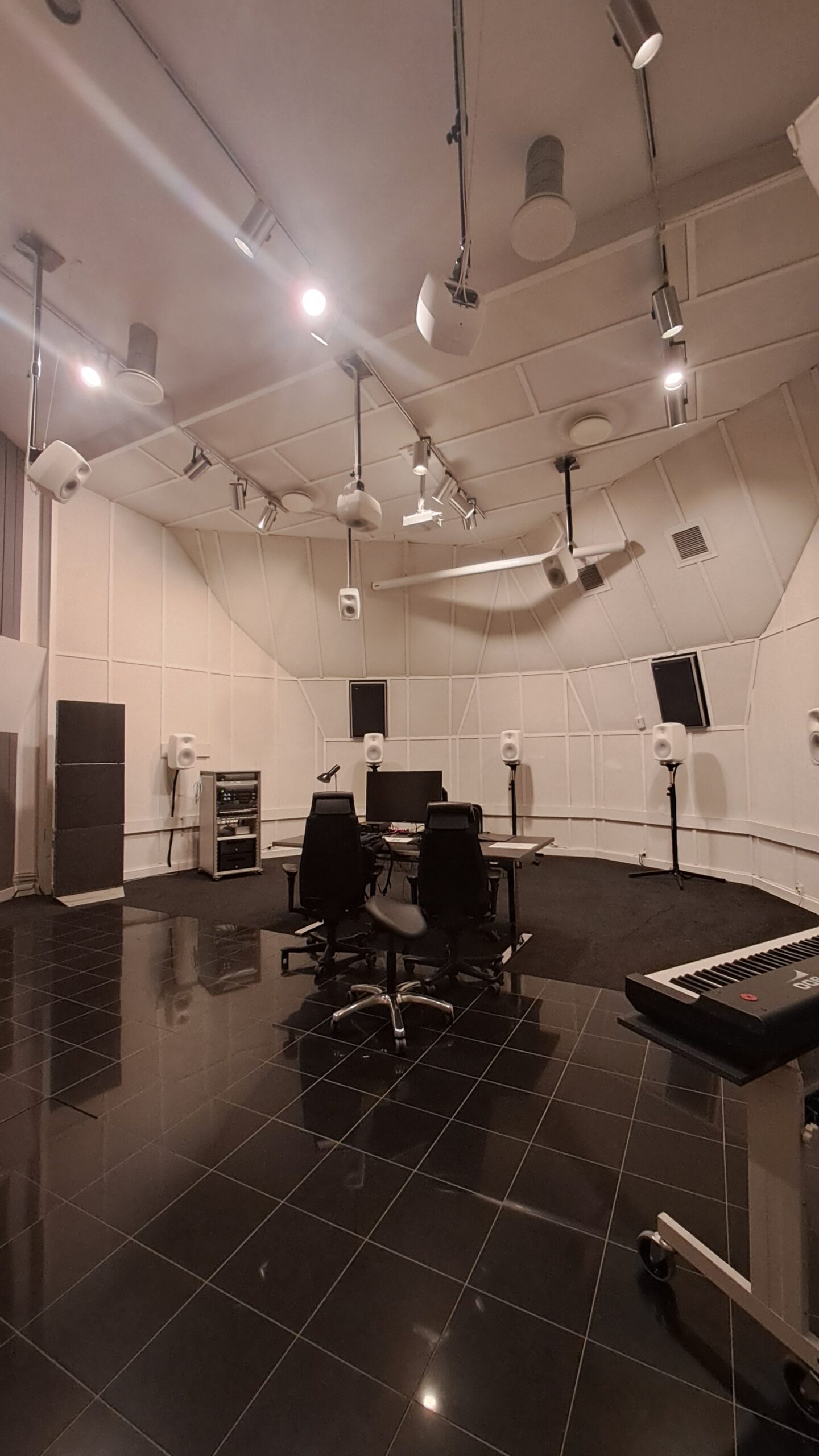
a. 16ch ambisonic ver. : It has been archived at Music and Theatre Library of Sweden.
b. Stereo ver. (48khz/ 24bit, 28′ 24″) :
2. Description
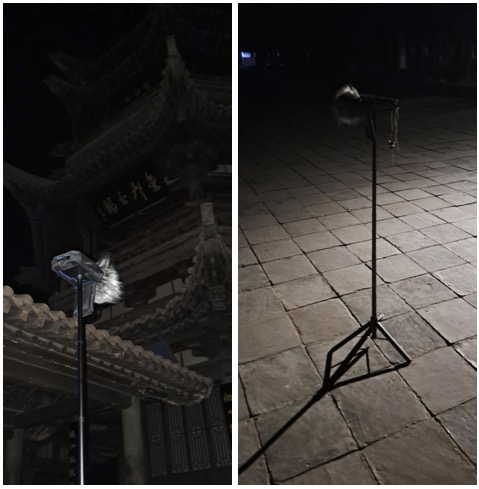
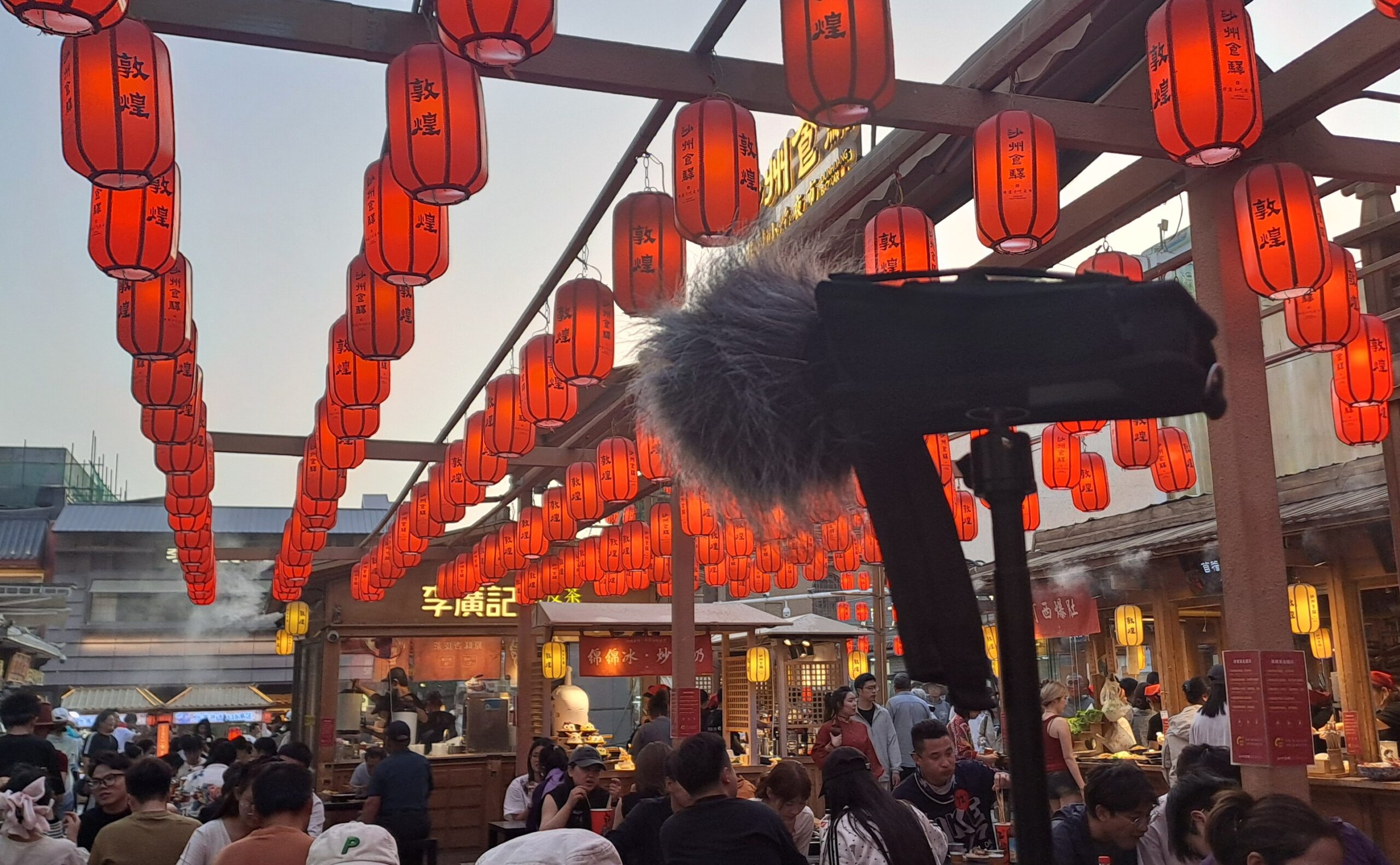
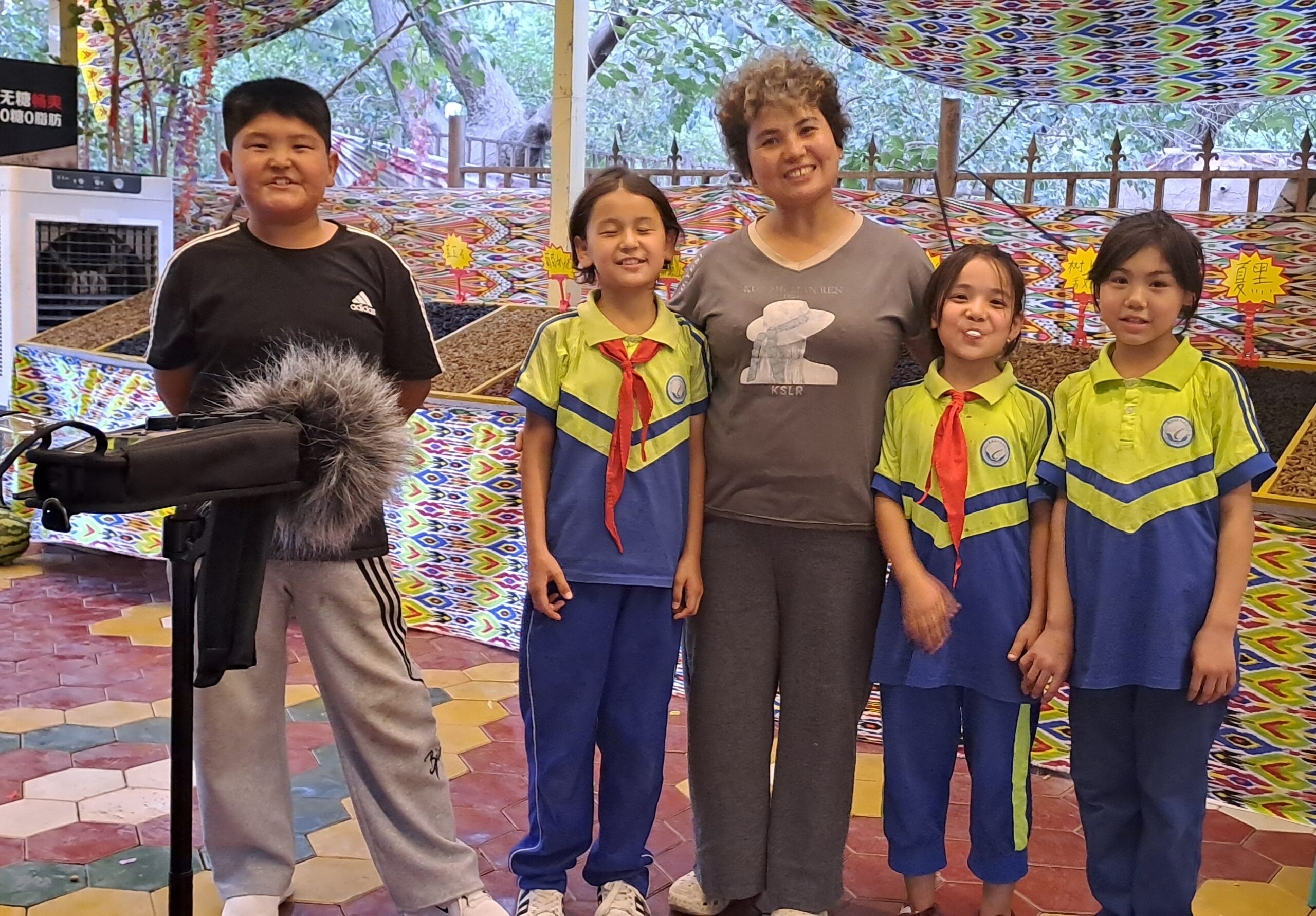
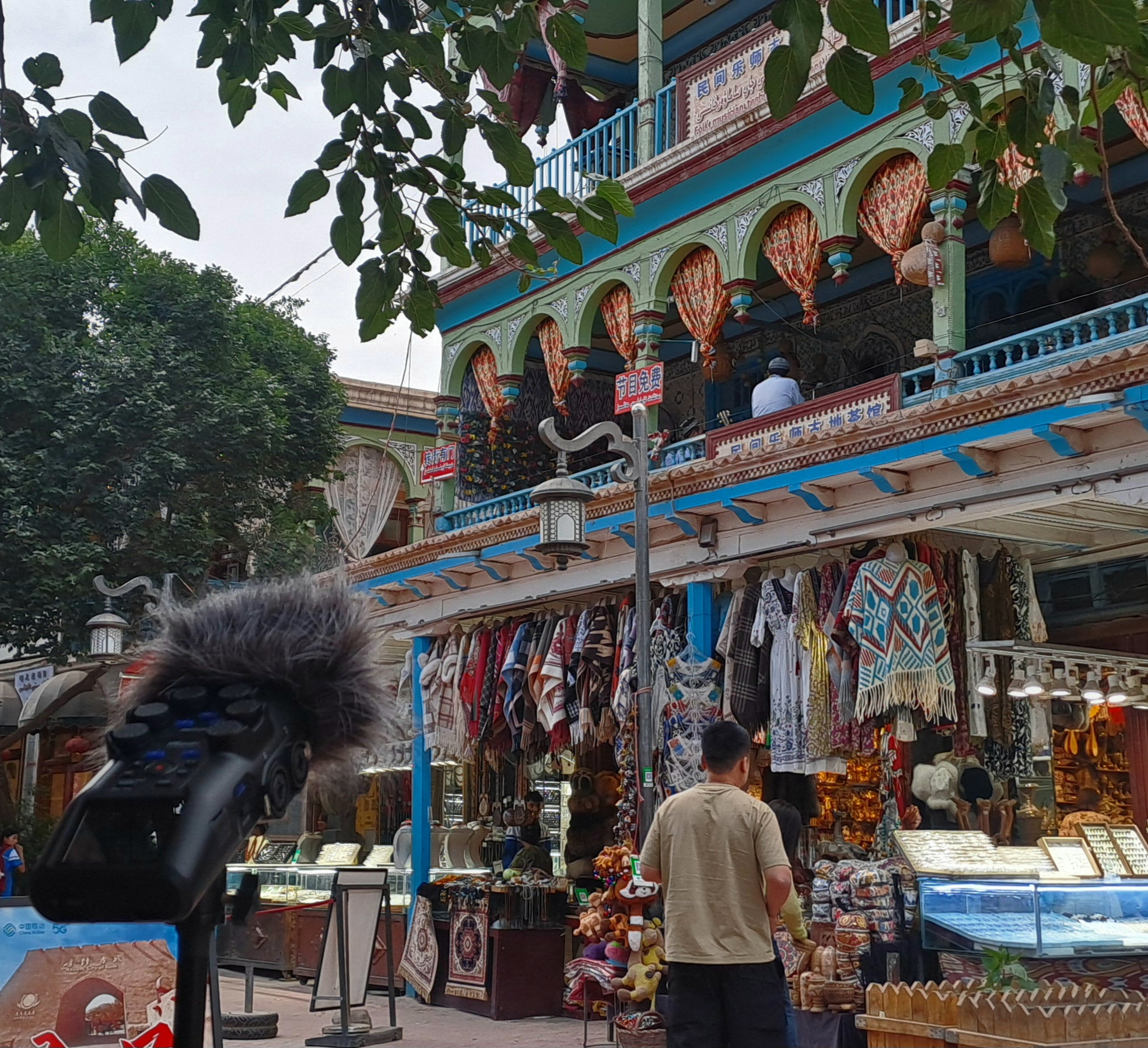
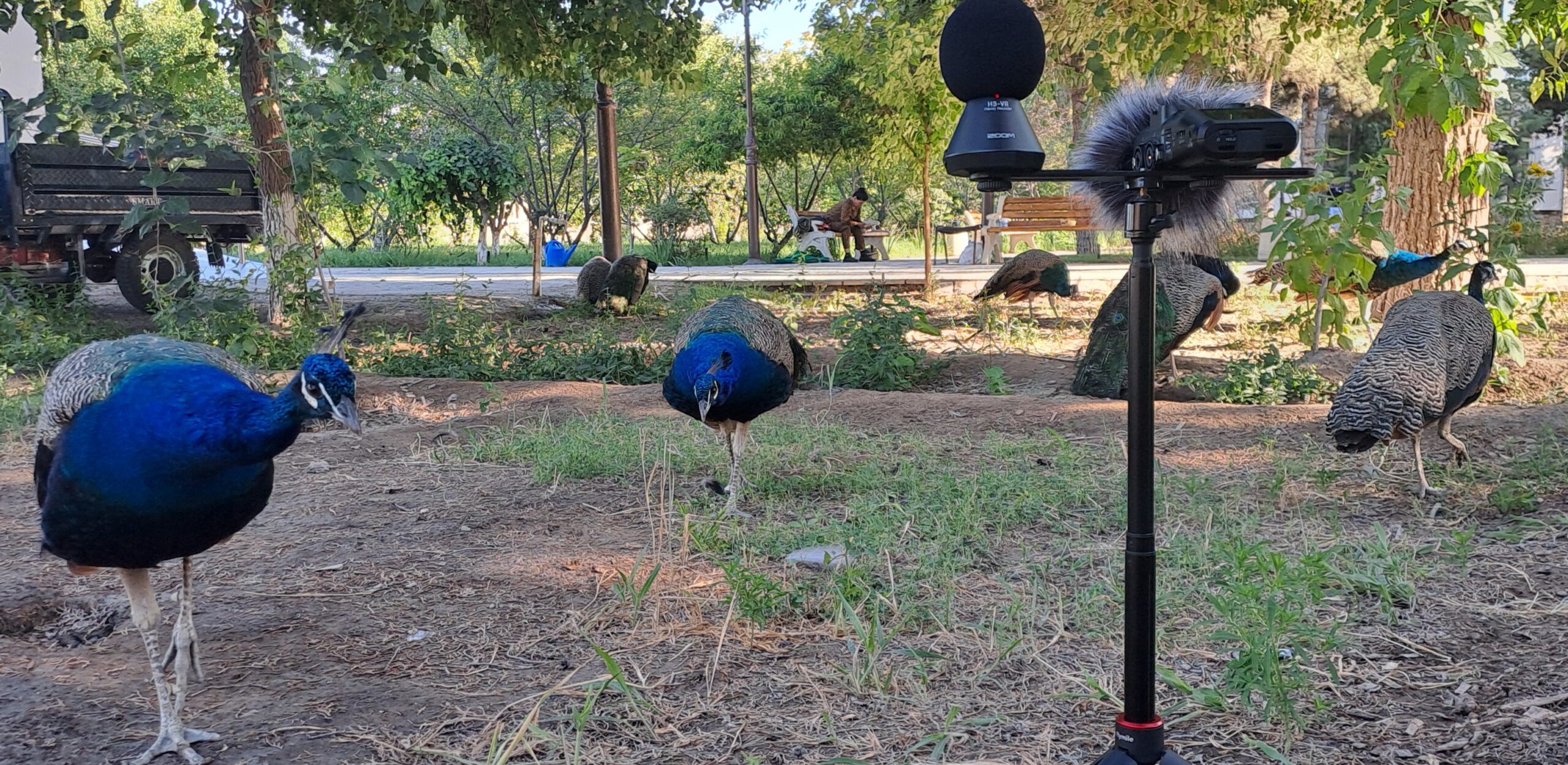
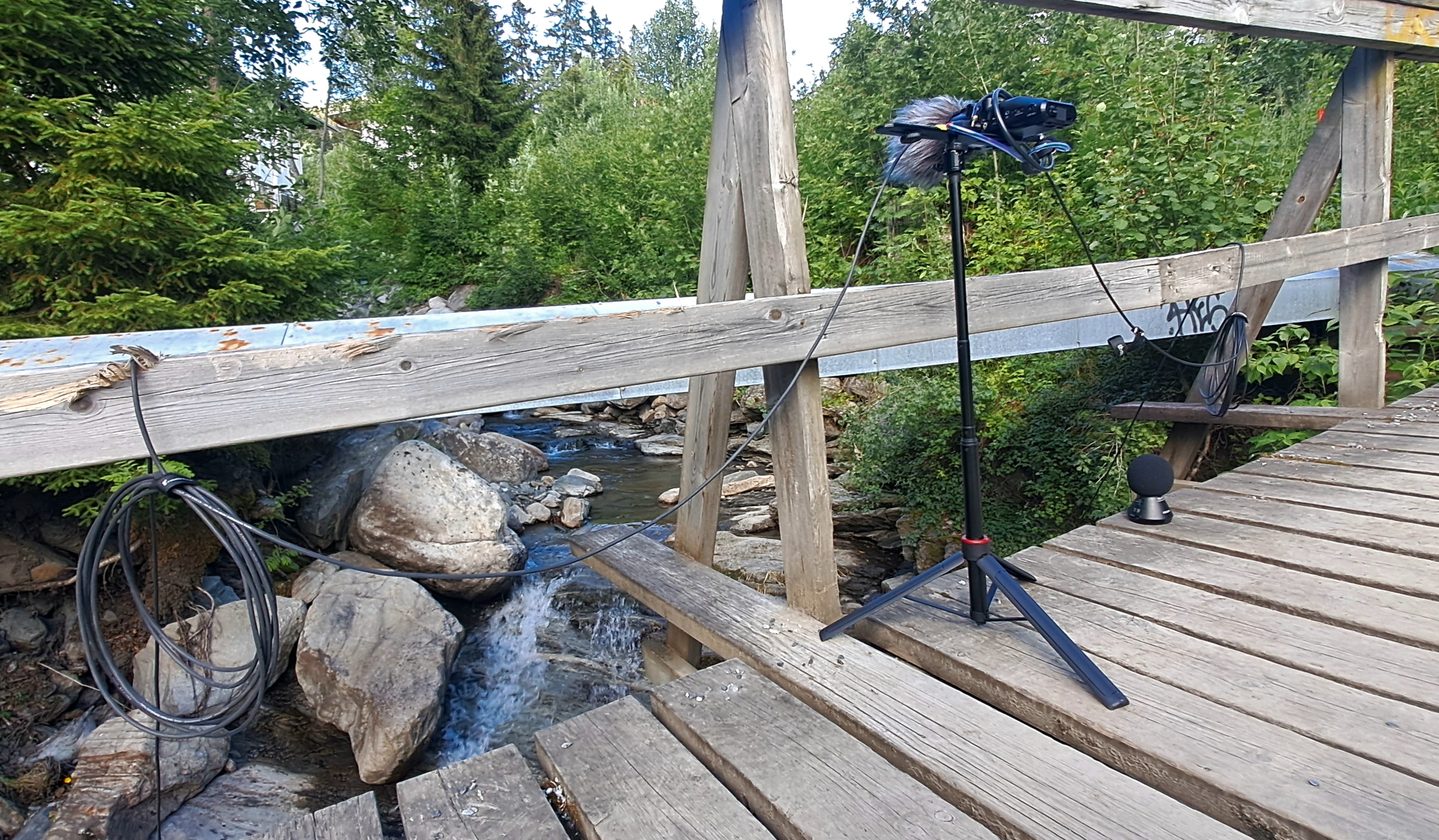
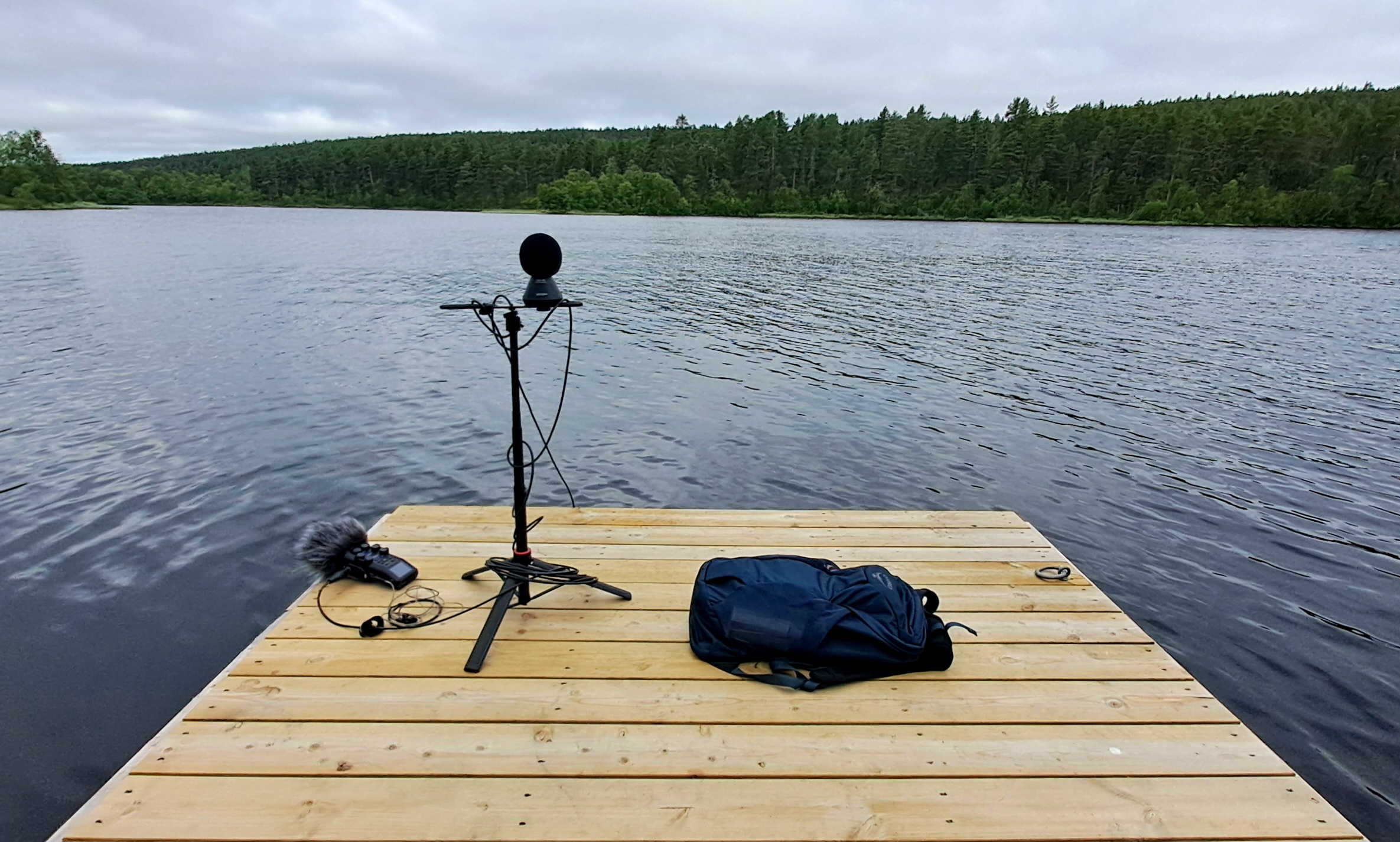
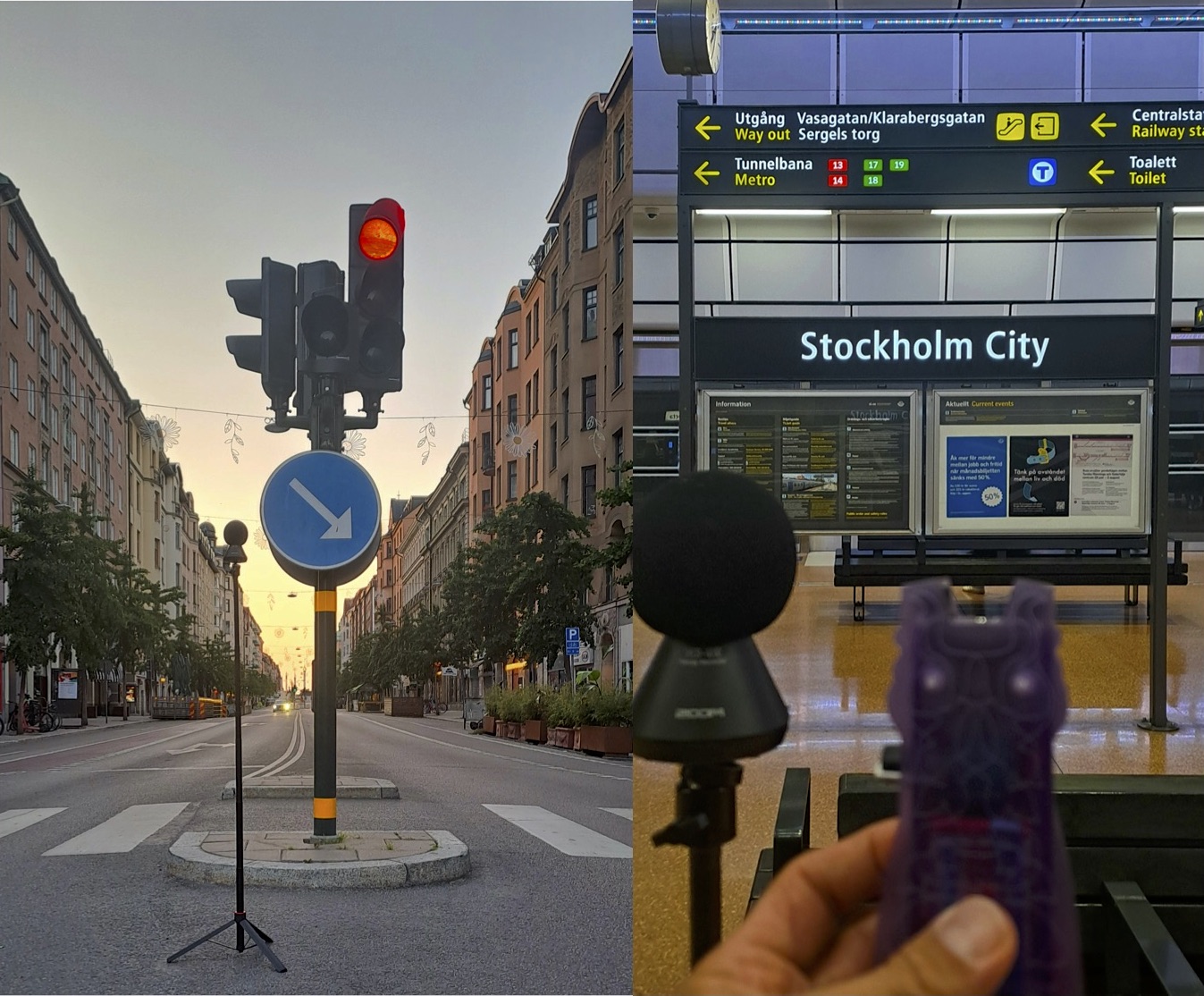
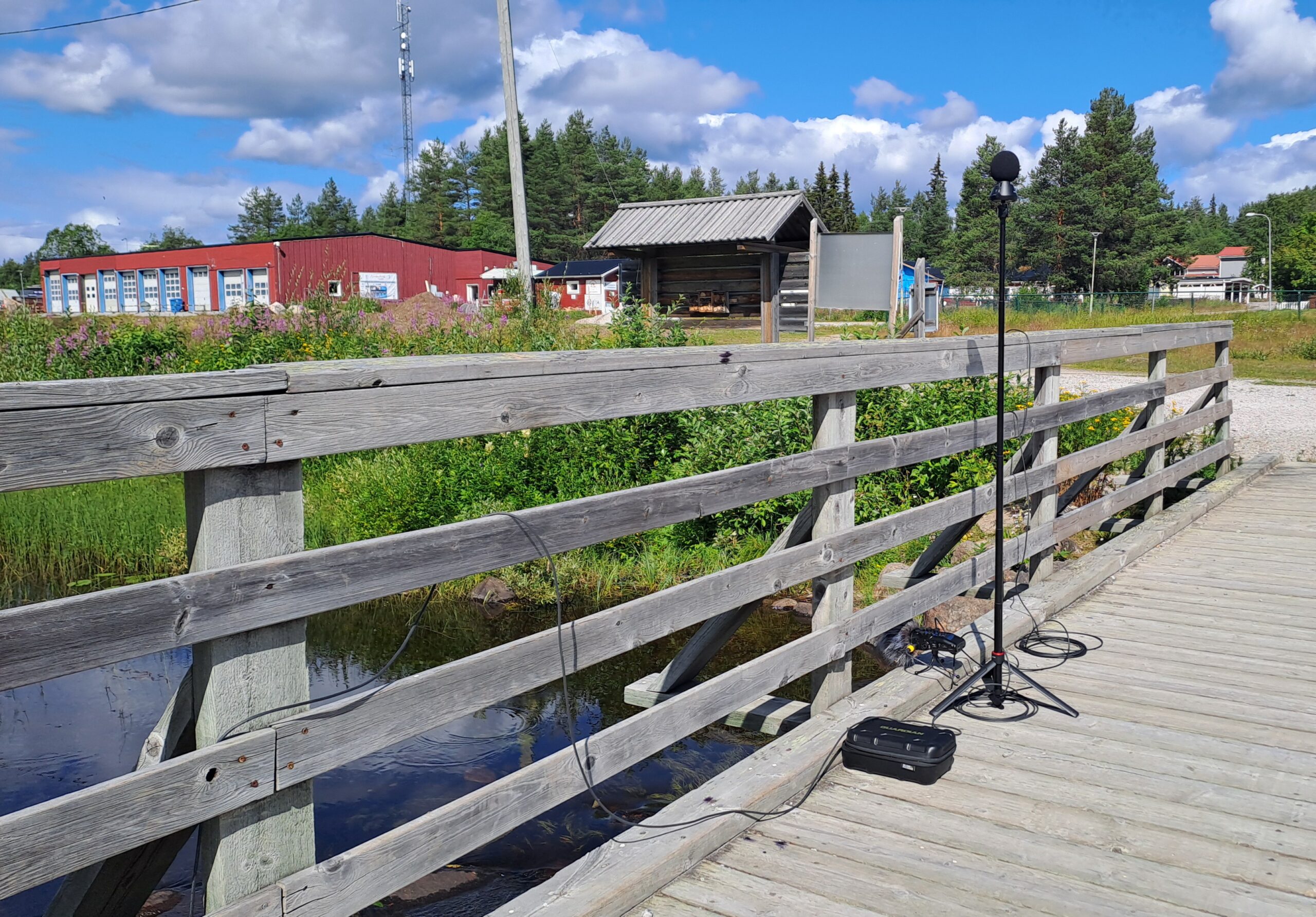
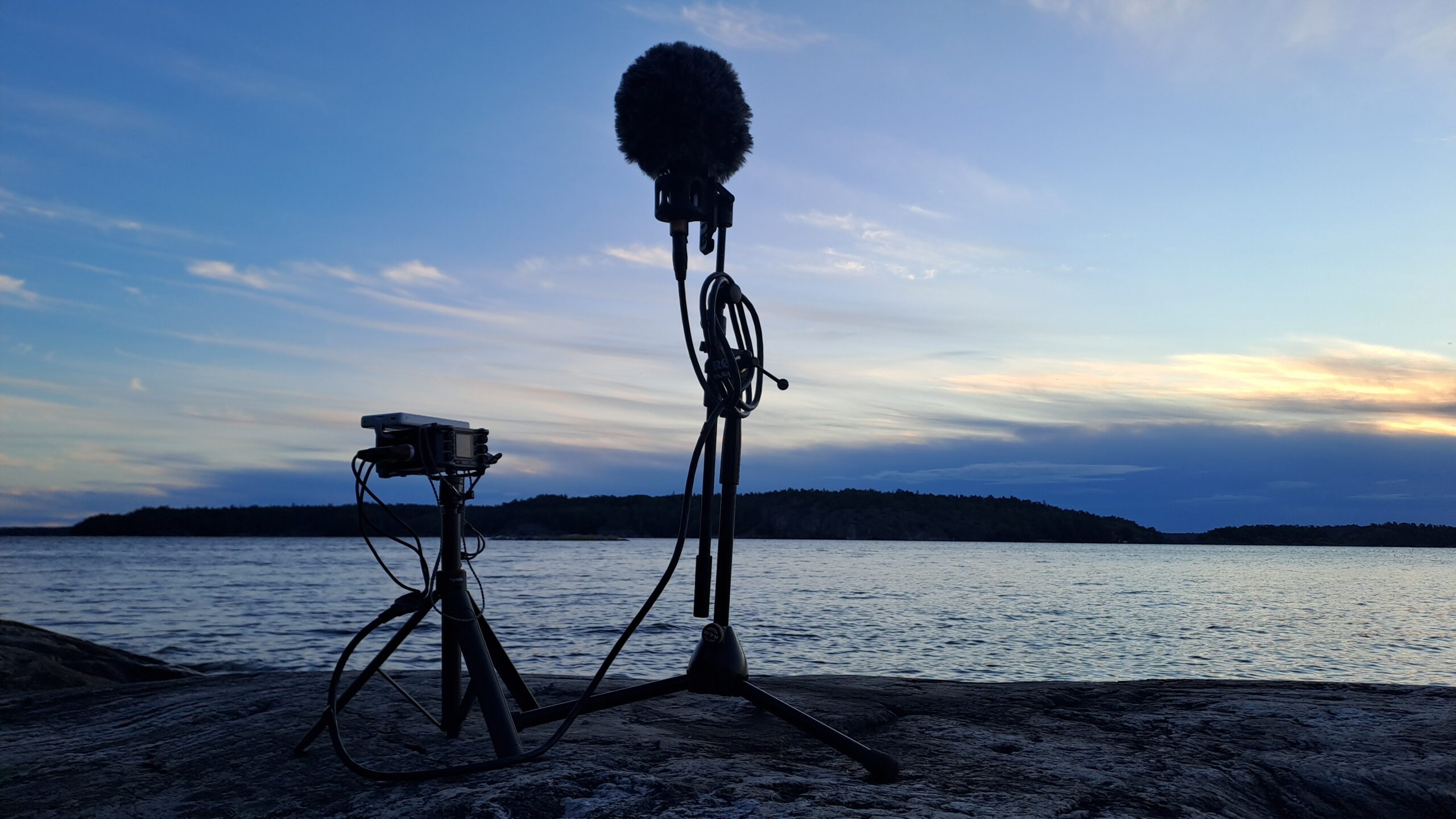
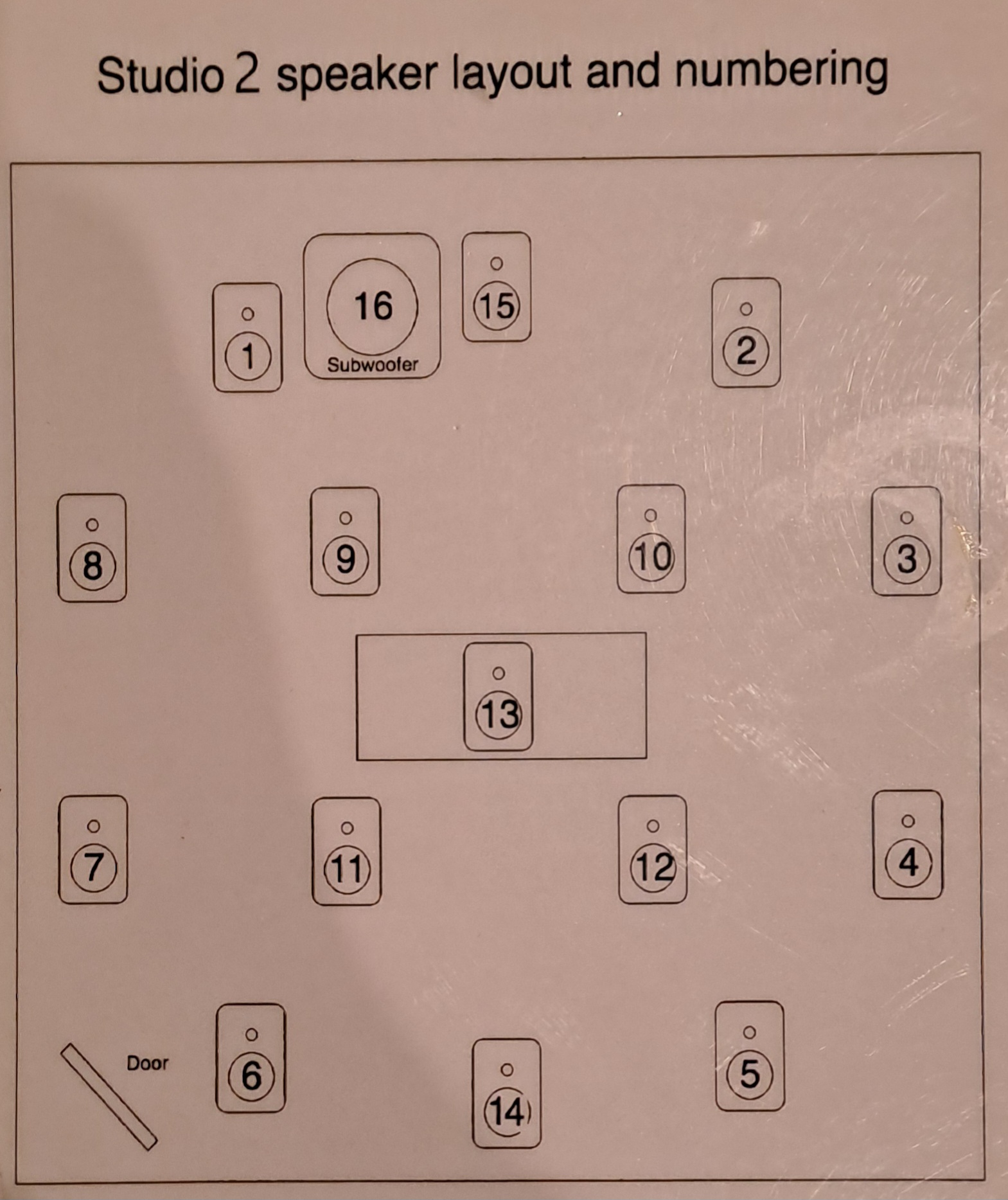
This project was conceived during a residency at Elektronmusikstudion (EMS) in Stockholm, Sweden. Through six weeks of field recording and three weeks of studio work, I created a composition in 16-channel High-Order Ambisonics (HOA) and stereo formats, along with an archive of field recordings. The 16-channel ambisonic composition is archived at the Music and Theatre Library of Sweden, while the stereo version is preserved in the project’s archival channel.
The overall structure of the work was developed around the countries and regions visited during the six-week field-recording journey, incorporating characteristic sounds collected from each location. The composition primarily consists of a sequence of soundscapes that evoke the natural environment, as well as the linguistic and cultural characteristics of each region. The soundscapes are arranged in reverse chronological order, following the trajectory of the field-recording journey.
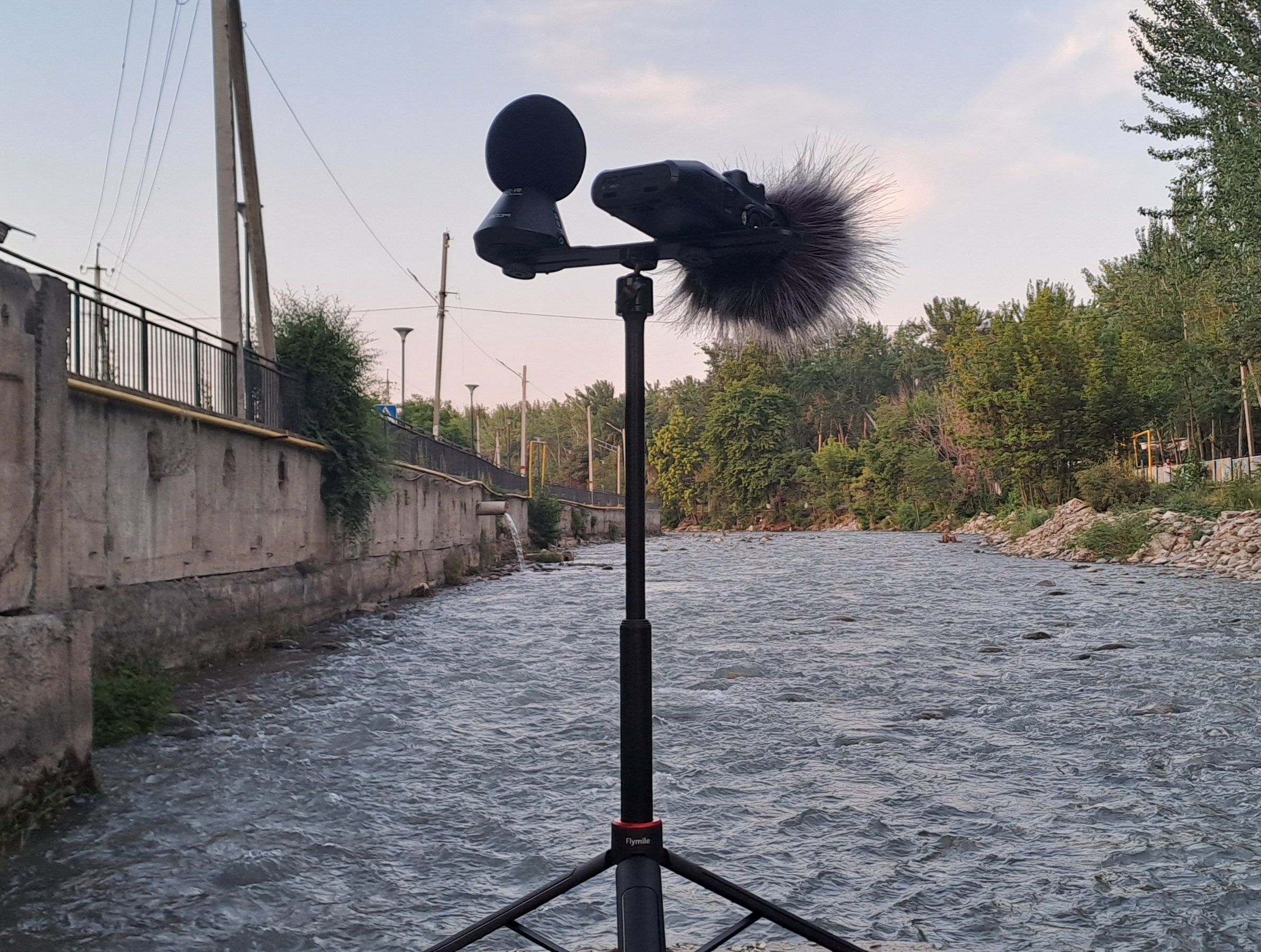
The sound of flowing water functions as a connective element between the individual soundscapes. As I travelled through the cities along the Silk Road, I observed how the development and expansion of irrigation channels had sustained the everyday lives of local communities throughout their histories, connecting their past and present. The Silk Road was, in many ways, a history of movement and flow; if it can be understood as a continuous series of intersections where ways of life and cultures from East and West converged, the sound of flowing water carries a symbolic significance as a representation of these lives and histories.
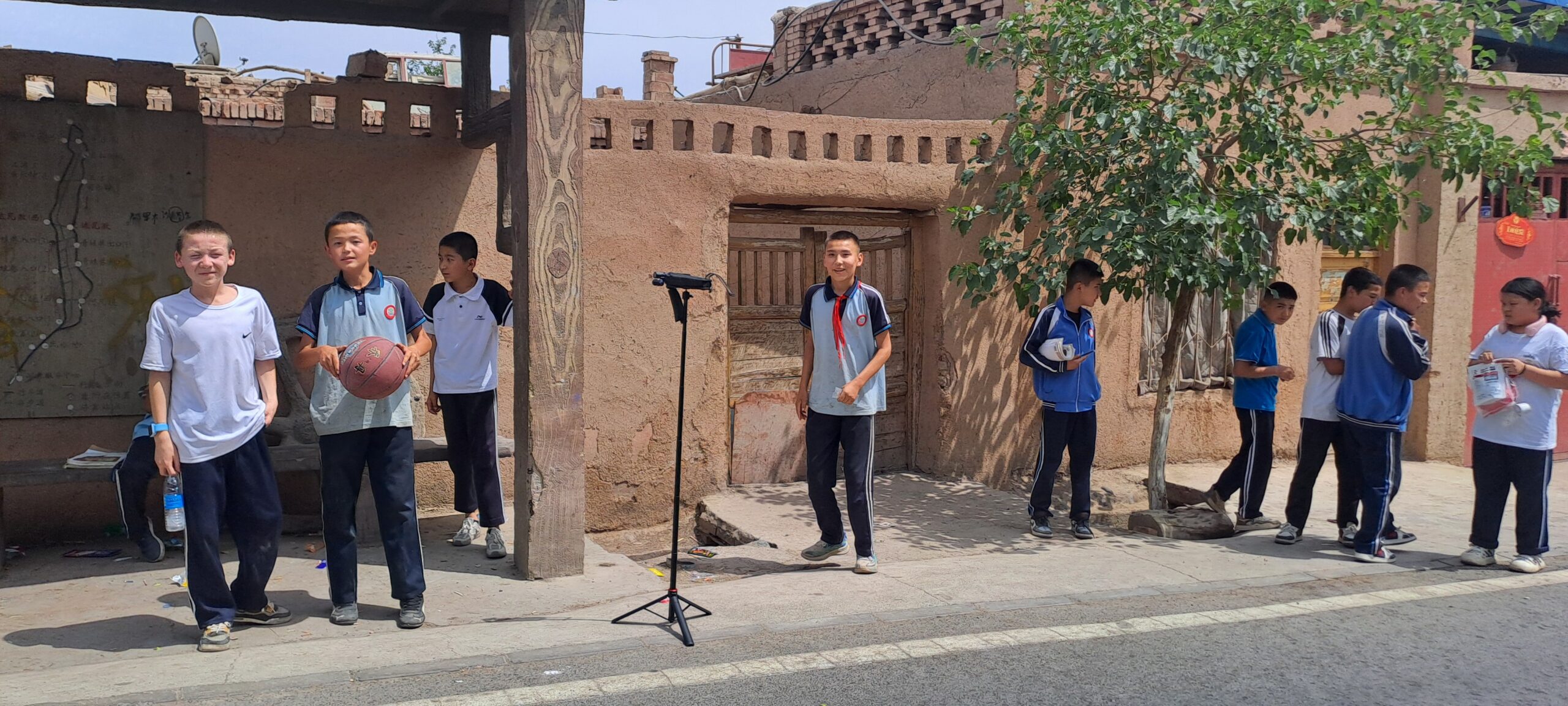
The work also traces a series of vocal connections among local inhabitants encountered throughout the journey. The voices of people praying; people exercising in the early morning while wearing traditional clothing; children playing around ancient mosques; elderly people sitting by the roadside and conversing at dusk; women soothing their babies to sleep; and street vendors calling out to passersby—all of these voices form soundscapes intended to reveal fragments of everyday life and the lived experiences of the communities encountered along the way.
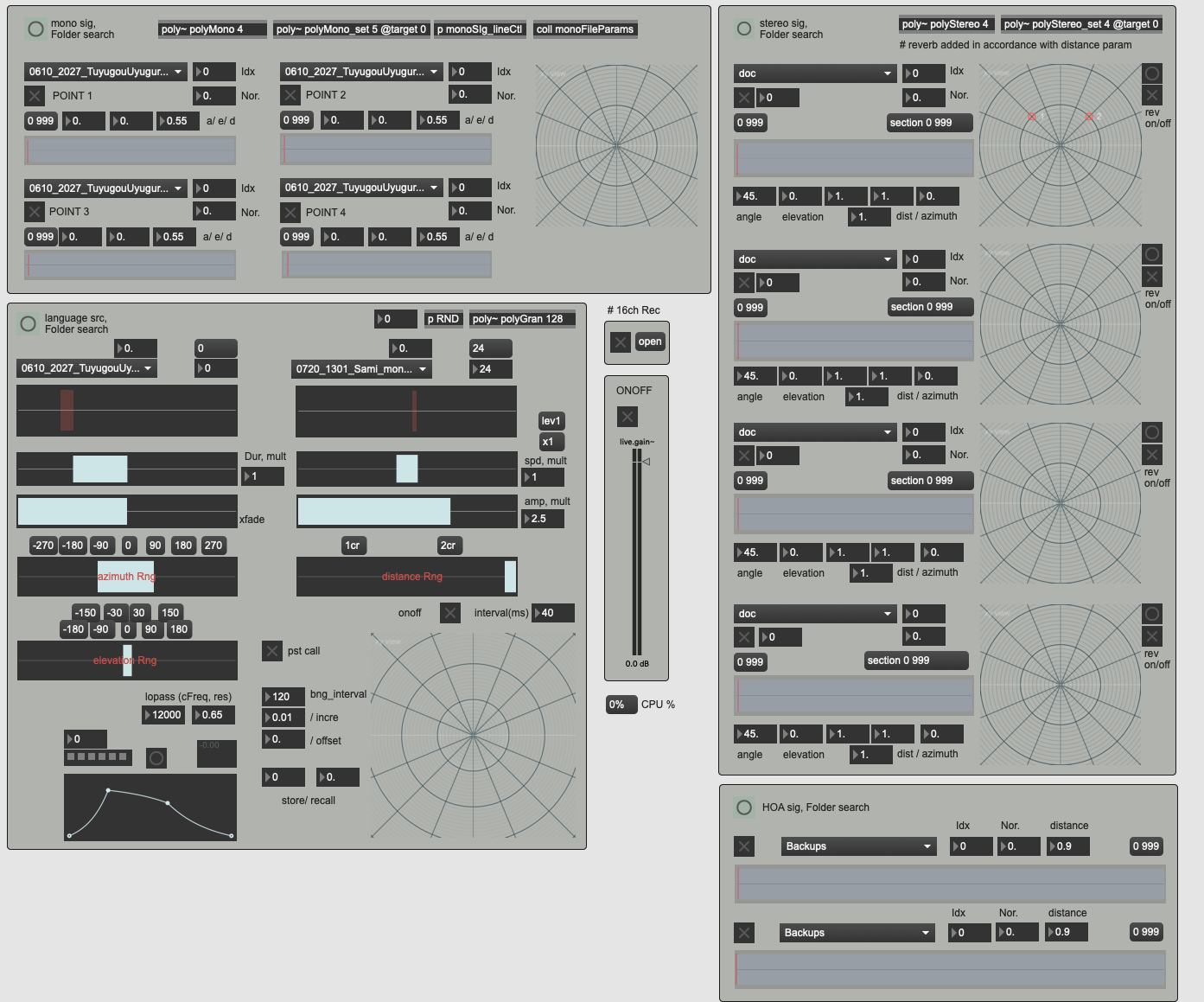
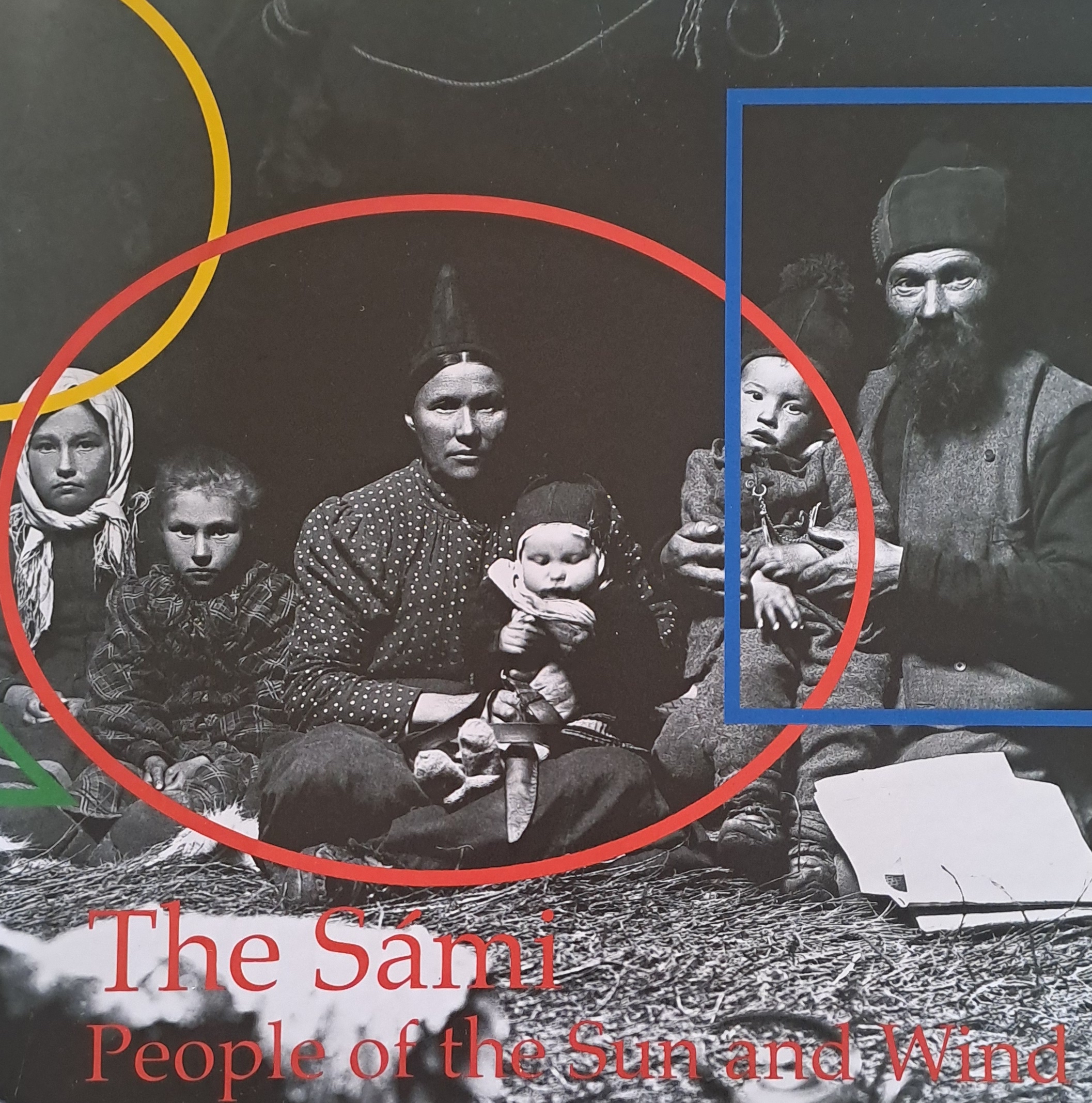
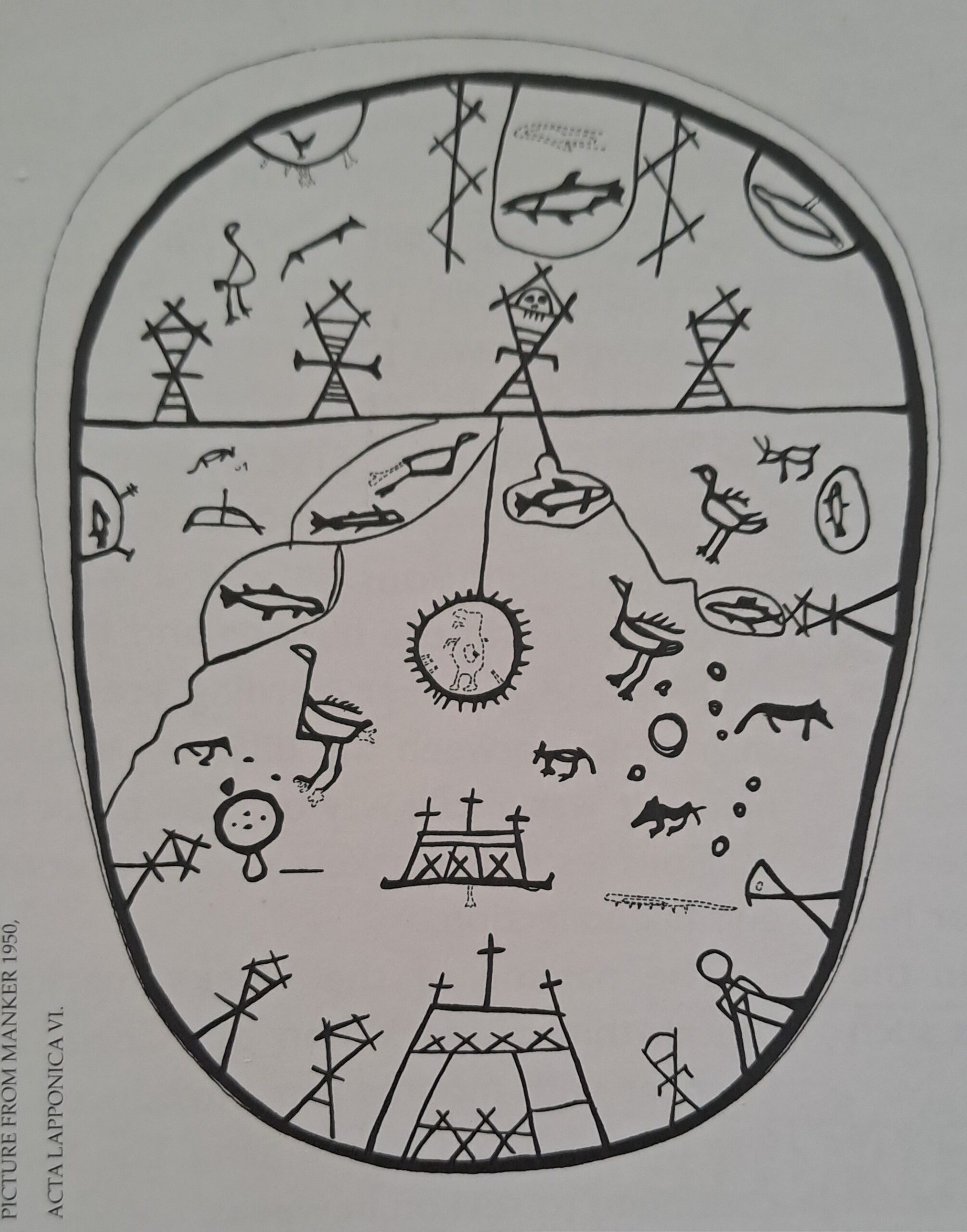
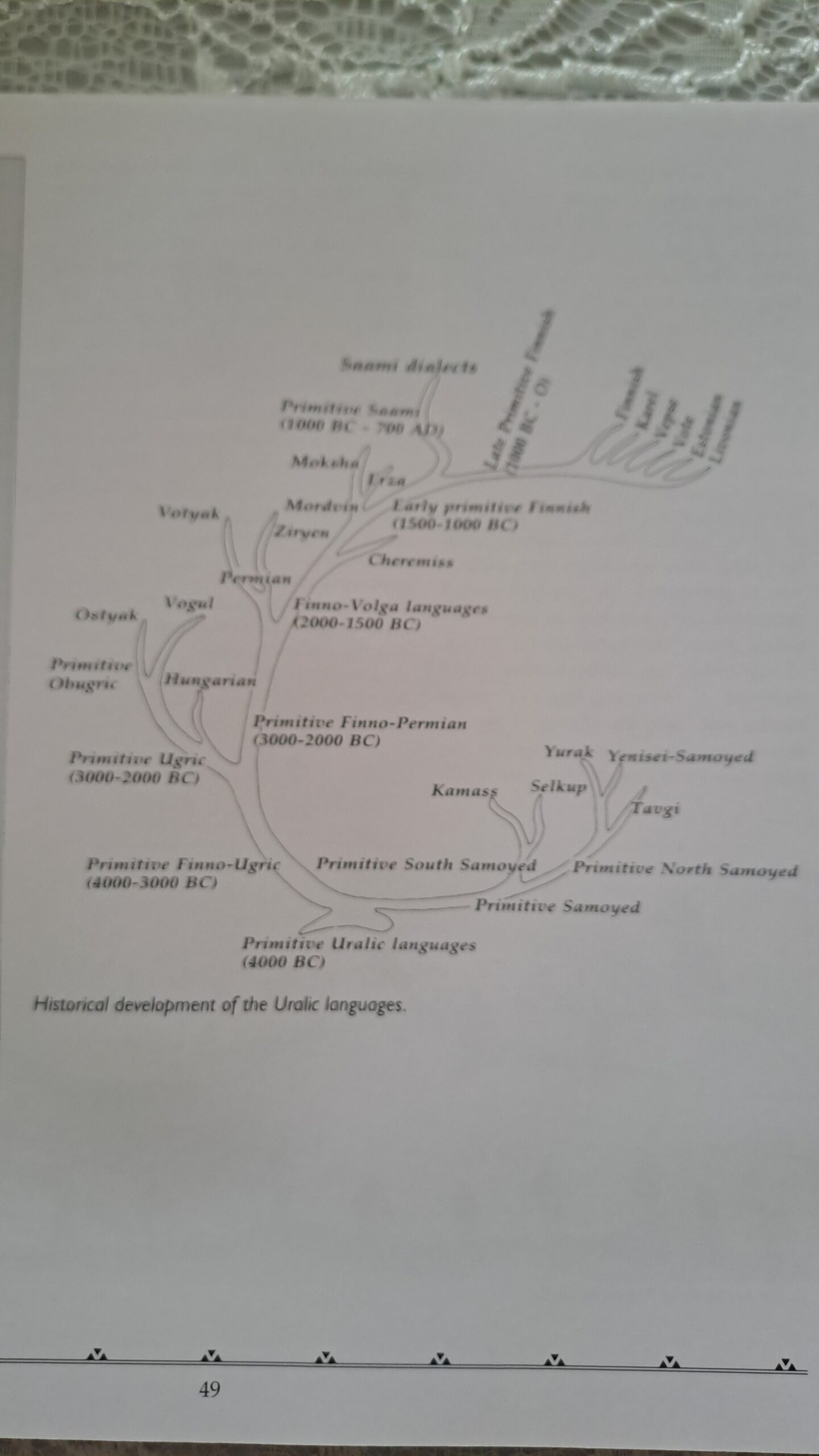
Another significant discovery during the field-recording journey was the presence of minority languages. The languages of the Sámi people in Northern Europe and the Uyghur people in China appeared to persist within increasingly restricted spheres of use, having been marginalized from institutional and public domains and largely maintained within everyday or informal contexts. I sought to express this condition through techniques of granular synthesis. From the recorded voices of these two minority communities, I isolated segments of inhalation and exhalation and transformed them, through controlled audio-processing parameters, into sounds resembling flying insects such as flies and bees. These processed sounds recur throughout the composition, appearing intermittently between the various soundscapes. Toward the latter part of the work, however, they gradually transform into forms in which the listener can begin to recognize that their source is, in fact, the human voice.
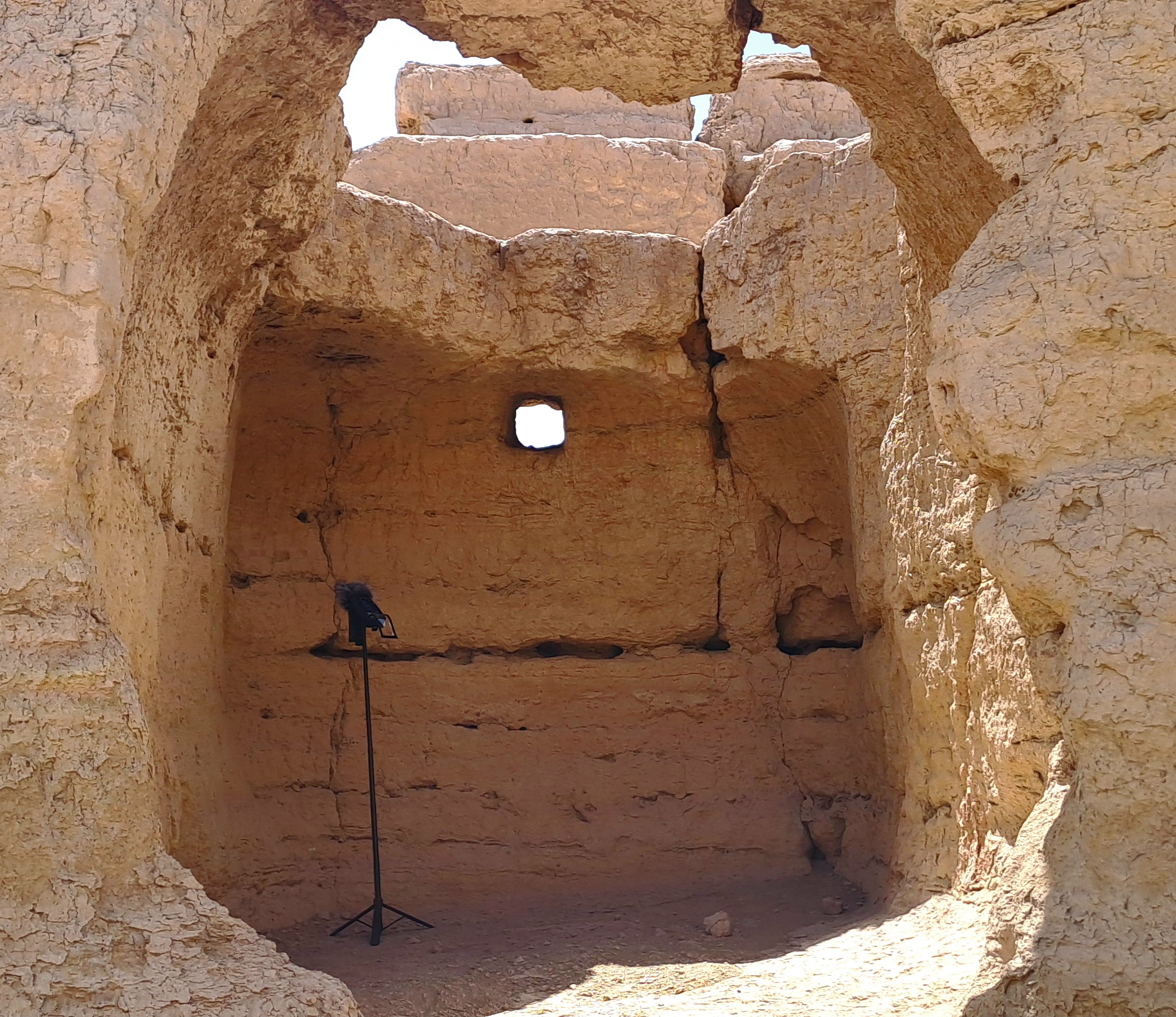
While passing through the Turpan region, I visited the ancient ruins of Jiaohe, a site dating back to the 2nd century BCE, where roads and buildings had been carved directly into layers of loess. Amid the ruins, shaped and eroded by an immeasurable span of history, the only sound I could hear was that of bees. The thought of these bees, living beings barely sustaining themselves within a site whose original forms had been almost entirely erased by the passage of time, became a central inspiration for the audio-processing approach employed in this work.
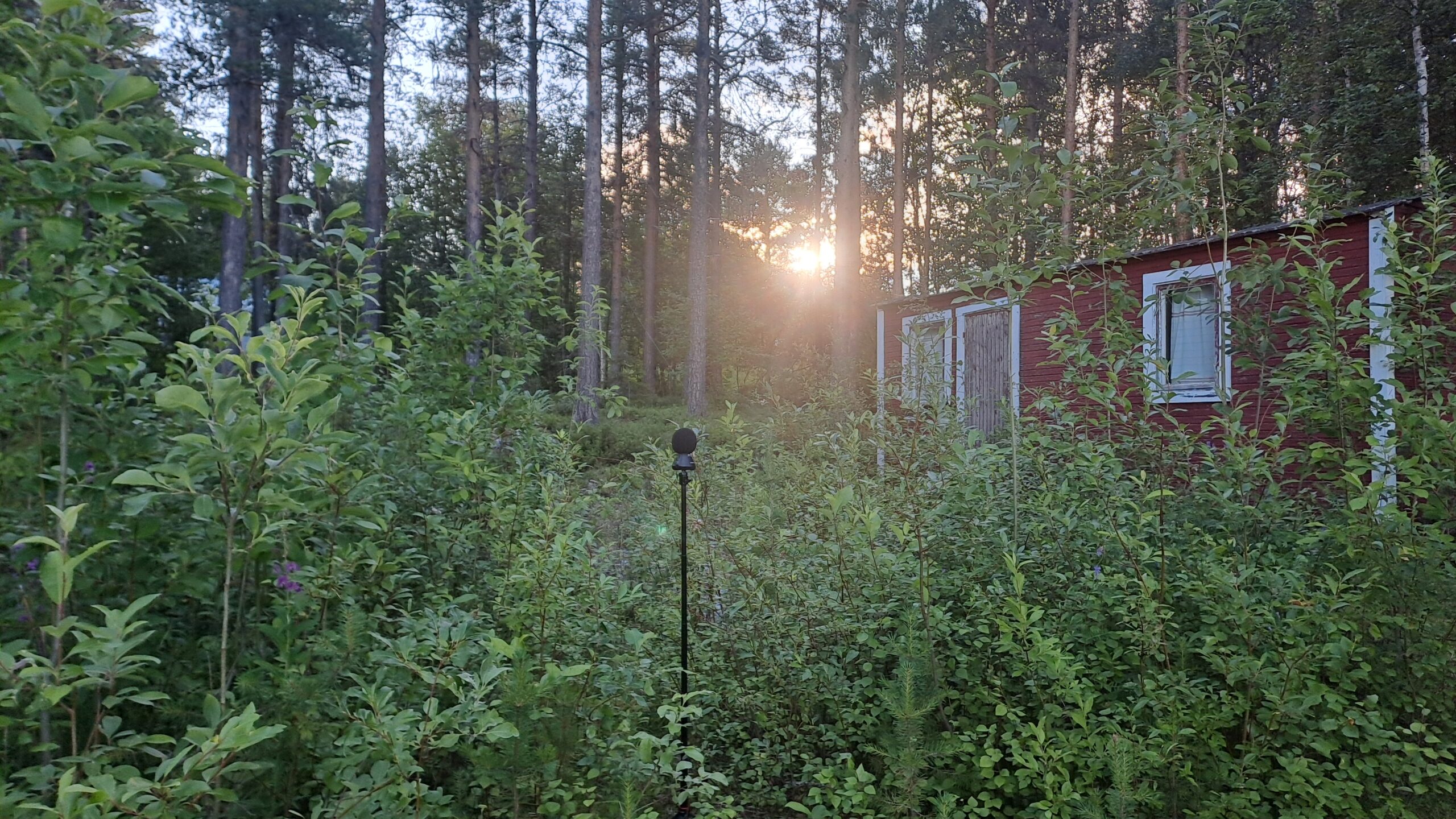
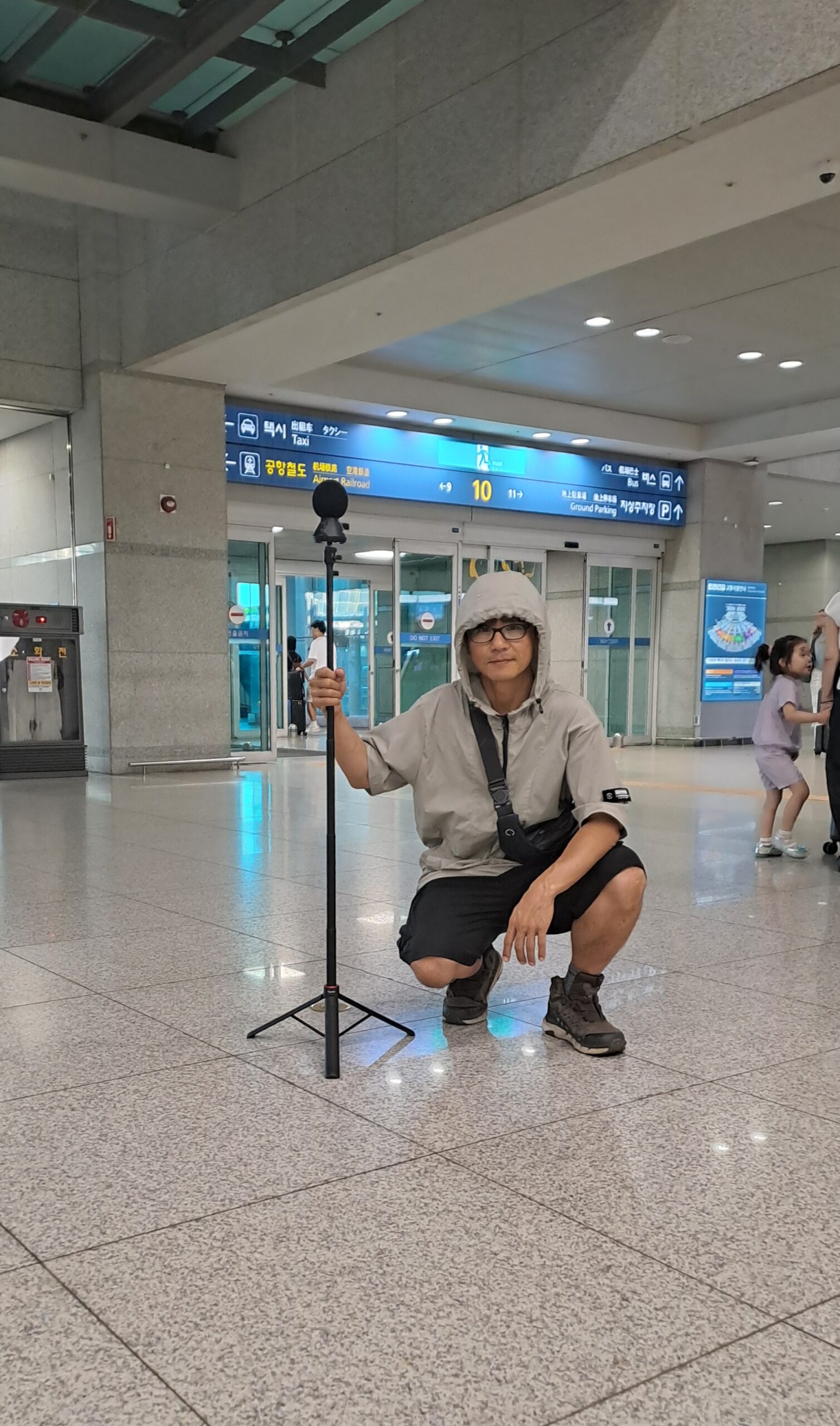
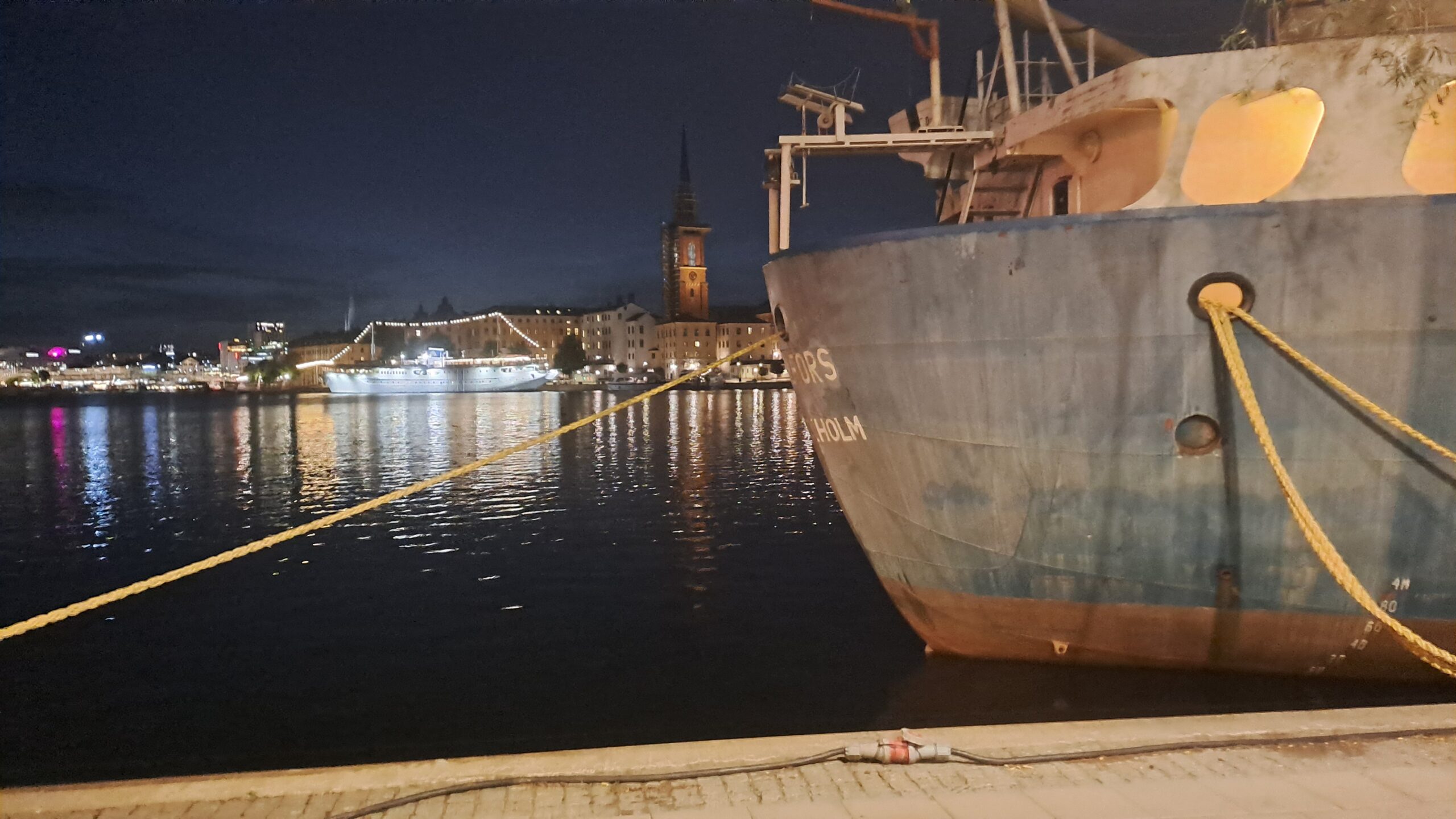
– field recording places : Beijing, Dunhuang, Turupan, Kashgar, Osh, Bukhara, Samarkand, Kapadokya, Istanbul, Stockholm, Inari/ Utjoki, Rovaniemi, Åre, Jokkmokk, Sandholmarna, Incheon Airport
3. Documentation